


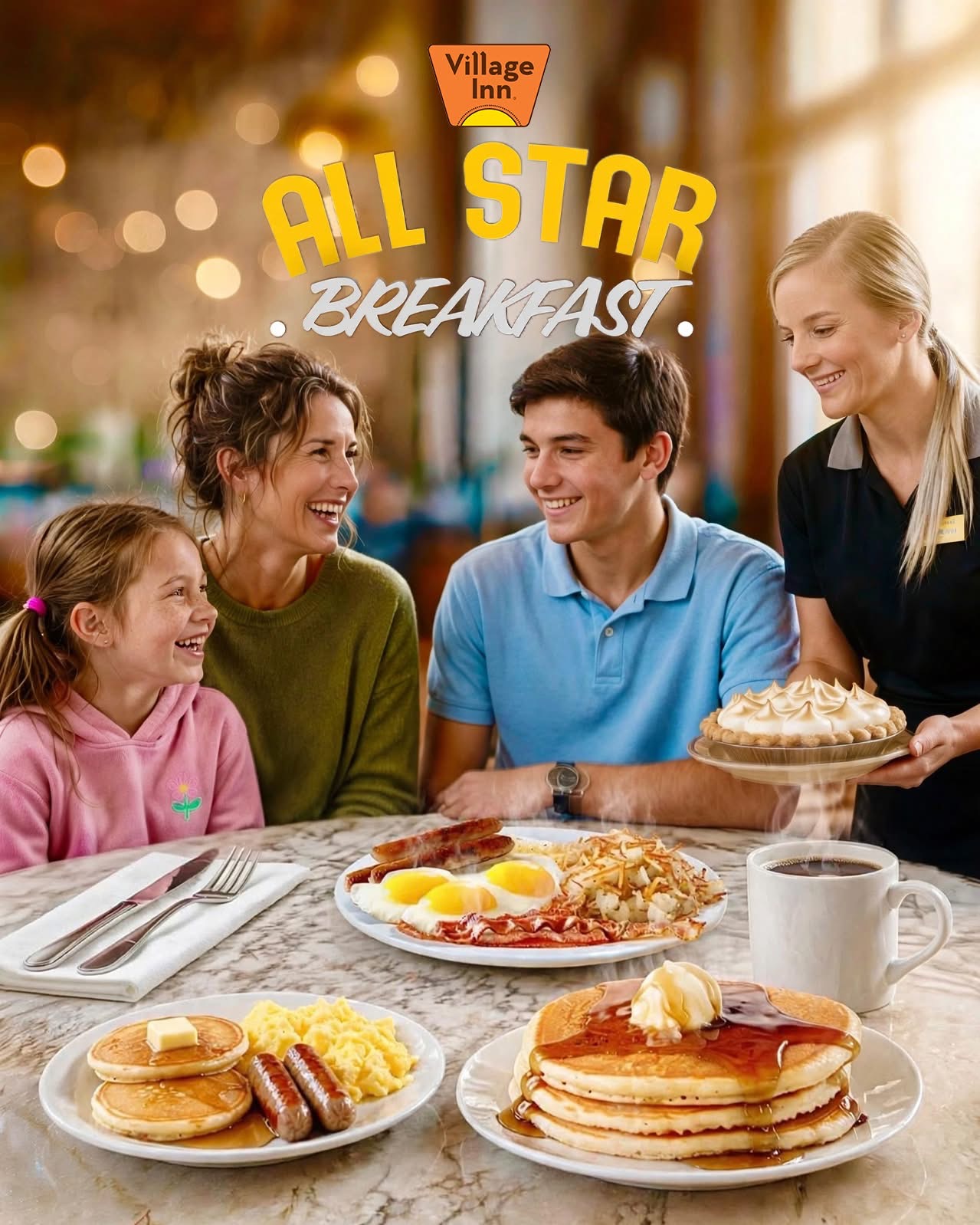
How I Stopped Fighting AI and Started Shooting Better Work
I’ve been a commercial photographer and videographer for over 15 years. I’ve shot everything from sweaty startup founders in tiny co-working spaces to national campaigns with a 30-person crew, three craft services tables, and a client who wants “just one more tiny tweak.”
So when AI image generators first showed up, my reaction was the same as every other pro I knew: Eye roll. Then anxiety. Then that low-grade anger you get when someone tells you your job is about to be replaced by a prompt.
I was wrong. Not about the disruption. About what was being disrupted.
AI isn’t replacing commercial photography. It’s replacing the boring parts of commercial photography. And that is exactly why it’s the future.
1. The shoot starts before we ever pick up a camera
This is where AI quietly changed everything for my studio.
Two years ago, if a client said “we want something bold, cinematic, premium but approachable,” I’d spend two days building moodboards, pulling references, writing treatments. Now?
I still do that creative work, but I do it with AI. I can generate 20 lighting directions for a product that doesn’t even exist yet. I can show a client what their downtown Winston storefront would look like at golden hour in October, in February, in the rain. I can pre-visualize a video story board with their actual product, in their actual brand colors, before we rent a single light.
Clients don’t buy mystery. They buy confidence. AI lets me give them confidence on day one, not day three of the shoot.
The result: fewer “wait, that’s not what I imagined” moments, and a lot more “YES, that’s it” on set.
2. On set, AI makes me more human, not less
Here’s what people outside the industry don’t get. The best part of a commercial shoot isn’t pressing the shutter. It’s directing. It’s getting a real laugh out of a CEO who hates being on camera. It’s noticing that the hand model’s wrist is turned just a little too far.
AI hasn’t touched that. What it has done is kill the technical friction that used to pull me out of those moments.
Tethered capture that auto-culls the blinks and soft focus shots in real time. Lighting software that learns my style and suggests a starting point so I’m not chasing exposure for 20 minutes. Voice-to-text for on-the-fly shot logging so my editor actually knows what I meant by “the hero take with the good smile.”
I used to spend 30% of my brain on logistics. Now I get to spend 95% of it on the person in front of me. That’s not automation. That’s being a better photographer.
3. Post-production is where the game really changed
Let’s be honest, no client has ever said “I love how long retouching takes.”
For years, commercial retouching was: clean background, clean background, remove exit sign, fix label, extend backdrop, export 47 versions for 47 aspect ratios.
Now I can train a small model on a brand’s product line and it knows how they like their reflections. I can extend a seamless in any direction without that weird Photoshop stretch. I can take a 30-second spot I shot in 6K and have clean transcripts, rough selects based on dialogue, and auto-reframed verticals for TikTok, Reels, and YouTube Shorts in an afternoon instead of a week.
I still retouch. Every final image still goes through my eyes. But AI handles the 80% that was tedious so I can obsess over the 20% that actually makes the image sell something.
And for video? Don’t get me started. AI-powered noise reduction and upscaling saved a low-light interview I thought was unusable last month. That used to be a reshoot. Now it’s a save.
4. The uncomfortable truth clients need to hear
If you are a brand hiring commercial creatives, this is for you.
You can go generate 100 images of “a happy diverse team in a modern office” for $20. You should. Use them for internal decks.
You cannot generate trust. You cannot generate your actual team, your actual product, your actual space, with the specificity that makes someone click “buy.” Consumers have gotten incredibly good at sniffing out fake. And AI fake is the easiest fake to spot.
What you want in 2026 is a hybrid creative: a photographer who knows how to light a face so it feels real, AND knows how to use AI to deliver you 10x the assets, faster, on-brand, everywhere you need them.
That’s what I sell now. Not just photos. Velocity.
The photographers who will struggle are the ones who only sell the shutter click. The ones who will thrive are the ones who sell vision, direction, taste, and problem-solving, and use every tool, including AI, to do it better.
I didn’t get into this job because I love moving sliders in Lightroom. I got into it because I love that moment when a business owner sees themselves looking like the brand they always wanted to be.
AI just lets me get to that moment faster, more often, and with a lot less burnout.
So no, AI isn’t the end of commercial photography. It’s the end of the version of commercial photography that was holding us back.
And honestly? I’m here for it.
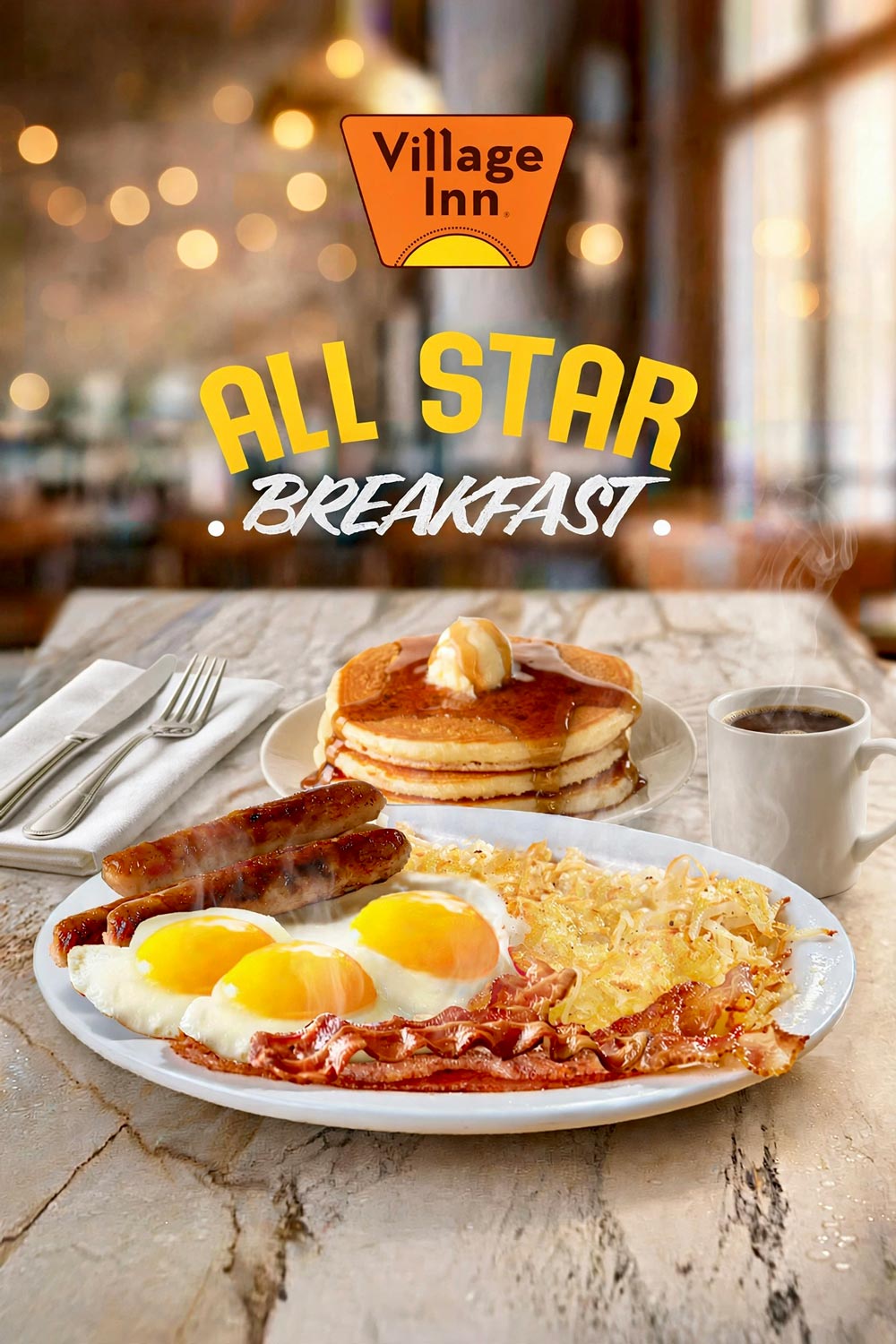
Parts of this photo are real and parts of this photo are not, can you guess which are real? It’s hybrid AI for ya.
Advertising | AI | Commercial | Concept | Food | Photo
Suggest a correction or feedback









Contact